
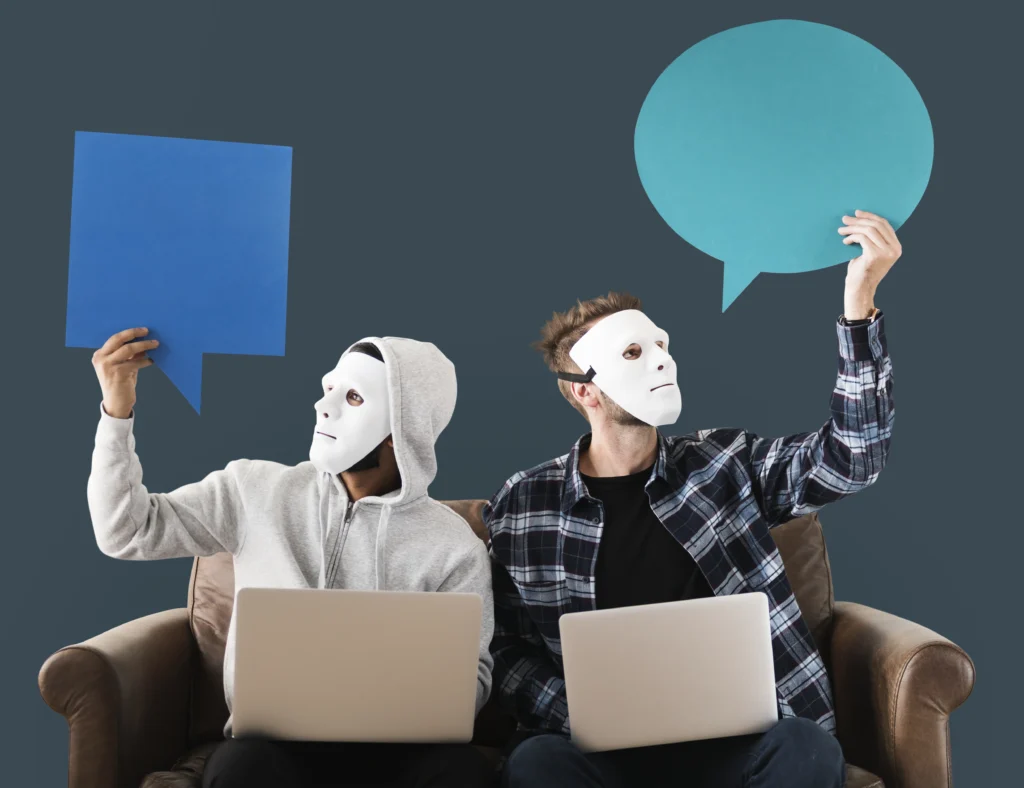
Understanding the Quiet Forces Behind Our Decisions
Many people move through life believing that their choices are fully their own, but the truth is often more layered than it appears. From childhood experiences to social expectations, hidden emotional patterns and outside pressures quietly shape how we think, react, and define ourselves. Books like The Approval Trap bring attention to these patterns and help readers see how often the need for acceptance, validation, and external approval affects daily decisions without them even realizing it.
These invisible forces do not always arrive in dramatic ways. Sometimes they show up in the smallest habits, repeated thoughts, or emotional responses that feel normal because they have been with us for so long. In Invisible Hands, this idea becomes even more powerful, reminding readers that many of the strongest influences in life are not always visible on the surface. They work quietly in the background, shaping identity, behavior, relationships, and personal direction.
What Are Hidden Influences?
Hidden influences are the unseen factors that affect how we live, think, and respond to the world. These influences may come from family expectations, past disappointments, cultural standards, social pressure, fear of rejection, personal insecurities, or emotional wounds that were never fully addressed. Even when we are not actively thinking about them, they can continue to guide our actions.
A person may choose a certain career to please others rather than follow personal passion. Someone may stay silent in important moments because fear has taught them that speaking up leads to conflict. Another may struggle to say no because they have tied their worth to being liked or accepted. These are not always conscious decisions. They are often responses shaped by hidden influences that have quietly taken root over time.
How Early Experiences Leave a Lasting Mark
Childhood Patterns and Emotional Conditioning
One of the strongest sources of hidden influence comes from early life experiences. The environment a person grows up in can leave a deep impact on how they see themselves and how they relate to others. If someone grows up in a space where approval is earned only through achievement, they may carry that mindset into adulthood. If love felt conditional, they may spend years trying to prove their value.
These patterns often continue unless they are recognized and challenged. A child who learned to avoid conflict may become an adult who struggles to express needs. A person who was constantly criticized may become overly self-conscious and hesitant in relationships or career decisions. The past may not always be visible, but it often speaks through present behavior.
The Emotional Weight of Repeated Messages
What people hear repeatedly can shape their inner world. Statements such as “be perfect,” “do not disappoint others,” or “stay quiet to keep peace” can become internal rules. Over time, these rules begin to feel natural, even when they create stress, confusion, or emotional exhaustion.
This is why self-awareness matters. It helps people identify where their thoughts and behaviors are coming from. Once those patterns are named, healing and change become possible.
The Role of Society in Shaping Personal Identity
Social Expectations and External Validation
Society teaches people what success should look like, how they should behave, and what kind of life is considered acceptable. These messages can be powerful, especially when repeated through family, community, media, and culture. Many people begin chasing goals they never personally chose simply because those goals are praised by others.
This creates a life that may look fine from the outside but feels disconnected on the inside. Hidden influences shape our lives when people begin measuring personal worth through status, appearance, approval, or comparison. Instead of asking what truly matters to them, they begin asking what will be accepted, admired, or approved.
Comparison in the Modern World
In today’s world, comparison has become even more intense. Social media constantly presents polished versions of success, beauty, happiness, and achievement. This can quietly influence how people see themselves. They may begin feeling behind, inadequate, or pressured to perform even when their own path is valid and meaningful.
The danger of comparison is that it shifts attention away from inner truth and places it on outside standards. That is one of the most common ways hidden influences shape our lives today.
How Hidden Influences Affect Relationships
Relationships are one of the clearest places where unseen patterns reveal themselves. People often carry unspoken fears, expectations, and emotional habits into friendships, family connections, and romantic relationships. Someone who fears abandonment may overgive to keep others close. Someone shaped by criticism may become defensive even when no harm is intended. Someone trained to earn love through pleasing others may struggle with boundaries.
These patterns can create cycles that feel difficult to explain. A person may wonder why they keep ending up in emotionally draining relationships or why they find it hard to trust, speak honestly, or receive care. Often, the answer lies beneath the surface. Hidden influences do not just shape individuals. They shape how individuals connect with others.
At this point, it becomes important to pause, reflect, and seek resources that encourage deeper understanding. For readers who want to explore these themes more deeply, Buy this book at Amazon and discover books that speak directly to these inner struggles and personal truths.
Recognizing the Signs in Everyday Life
You Feel Pulled by Fear More Than Clarity
One sign of hidden influence is making choices based more on fear than peace. This may look like staying in situations that no longer fit, avoiding necessary conversations, or constantly second-guessing decisions because of what others may think.
You Struggle to Separate Your Voice from Others
Another sign is difficulty knowing what you truly want. When someone has lived under the pressure of outside influence for a long time, personal desire can become harder to hear. They may know how to please others but not how to understand themselves.
You Repeat Patterns Without Knowing Why
Repeated emotional patterns are also a clue. If the same struggles keep showing up in different forms, there may be a deeper influence underneath them. Growth begins when people stop only reacting to symptoms and start exploring the root.
How to Break Free from Hidden Influences
Develop Honest Self-Awareness
Real change begins with reflection. This means asking deeper questions about fears, emotional triggers, repeated decisions, and internal beliefs. Self-awareness allows people to see what has been guiding them without their permission.
Challenge Old Beliefs
Not every belief carried into adulthood deserves to remain there. Some beliefs were formed in pain, fear, or emotional survival. Challenging those beliefs is not rebellion. It is healing. It is choosing to live with greater truth.
Build a Life from the Inside Out
Freedom grows when people begin making choices based on values, peace, and purpose rather than approval, pressure, or fear. This does not happen overnight, but each honest step matters. The more people understand what has shaped them, the more power they have to shape their future with intention.
Final Thoughts
The truth is simple but powerful: many of the forces that direct our lives are not always obvious. Hidden influences shape our lives through memory, emotion, expectation, fear, and social pressure, often without asking for permission. But what is hidden can be revealed, and what is revealed can be transformed. Awareness gives people the chance to live more truthfully, choose more wisely, and build a life that reflects who they really are rather than who they were conditioned to be. For more thoughtful content like this, Check out or blog.